

Myths in gambling what you need to stop believing
Understanding the Gambler’s Fallacy
The gambler’s fallacy is one of the most pervasive myths in the gambling world. It arises when individuals believe that past outcomes will influence future events. For instance, if a coin has landed on heads several times in a row, one might mistakenly think that tails is “due” to come up. This misconception can lead to poor betting decisions and significant financial losses. The truth is that each flip of the coin is an independent event, unaffected by previous outcomes. Many people enjoy exploring various platforms, such as pikashow-in.tv, to access content that stresses understanding probability.

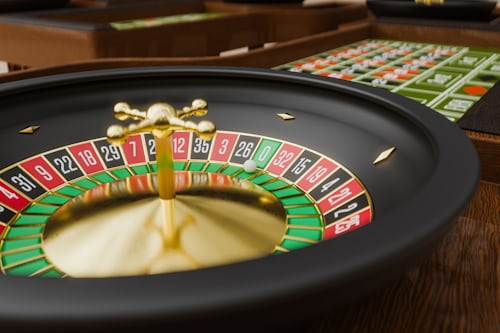
This myth extends to games like roulette, where players might feel that a particular number is more likely to hit after a long dry spell. However, every spin is random, and the probability remains consistent, regardless of prior results. Understanding this can help gamblers make more informed decisions rather than relying on flawed reasoning.
Moreover, the gambler’s fallacy not only impacts individual betting strategies but also skews collective behavior at gaming tables. Observing others’ beliefs can further entrench this myth. Players may find themselves following trends based on erroneous assumptions, leading to widespread losses. Acknowledging the randomness in gambling can empower players to focus on strategy rather than superstition.
Believing in Lucky Rituals
The notion that certain rituals or habits can bring luck is another popular myth in gambling. Many players engage in behaviors they believe will influence the outcome, such as wearing specific clothing, using a favorite betting strategy, or following a particular routine. While these practices can make the experience enjoyable, they have no real impact on the odds of winning.
It’s important to differentiate between enjoyment and efficacy. Engaging in lucky rituals might enhance a player’s psychological comfort but does not alter the mathematical probabilities. For instance, many people may believe that carrying a lucky charm can sway fortune in their favor, yet the outcome of a game remains determined by chance and skill, not by personal superstitions.
This myth can be particularly dangerous, as it might lead players to engage in riskier behaviors or continue gambling despite losses. The psychological comfort that comes from these rituals can mask the reality of the game, causing individuals to chase losses or make irrational decisions. To improve one’s gambling experience, it’s crucial to focus on sound strategies rather than relying on luck-based beliefs.
Misconceptions About House Edge
Many gamblers underestimate the significance of the house edge, believing that it can be easily overcome with the right strategy or betting pattern. The house edge is the statistical advantage that casinos have over players, and it varies between games. Understanding this concept is critical for anyone engaging in gambling, as it influences the overall long-term outcomes of games.
Players often believe that through sheer skill or luck, they can negate this edge. While skilled players can improve their chances in games like poker or blackjack, the house edge remains a constant factor in the casino’s favor in the long run. For example, in a game of roulette, the house edge ensures that the casino will always make a profit over time, regardless of how skilled a player may be.
Furthermore, some gamblers mistakenly think that specific strategies, such as progressive betting, can defeat the house edge. However, these strategies often lead to larger losses, especially in the long run. Recognizing the reality of the house edge can help gamblers make more informed decisions, allowing them to enjoy the experience without falling victim to misconceptions about their chances of winning.
Assuming Online Gambling is Rigged
With the rise of online gambling, a prevalent myth has emerged: that online games are rigged against players. This belief can stem from a misunderstanding of how online casinos operate and the technology behind them. In reality, reputable online gambling platforms employ Random Number Generators (RNGs) to ensure fairness in their games, making it statistically impossible for them to rig outcomes.
Many players voice concerns about fairness, often influenced by anecdotal experiences or stories of big losses. While it is true that some websites may engage in dishonest practices, well-regulated and licensed platforms are monitored to ensure compliance with strict standards. This not only protects players but also guarantees a fair gaming environment, similar to that found in physical casinos.
Additionally, it’s essential to recognize that gambling, whether online or offline, involves risk. The belief that online gambling is inherently rigged can lead players to avoid otherwise legitimate opportunities. By understanding the mechanics behind online gaming, players can approach it with realistic expectations and an awareness of the associated risks, leading to a more enjoyable experience.
Understanding Responsible Gambling
When discussing gambling myths, it’s vital to address the importance of responsible gambling. Many individuals mistakenly believe that gambling is solely a form of entertainment without acknowledging the potential risks involved. Engaging in gambling activities can lead to financial hardship, addiction, and other negative consequences if not approached with caution and awareness.
Recognizing the signs of problematic gambling behavior is critical. Many players may dismiss early warning signs, believing they have complete control over their gambling habits. However, understanding one’s limits and setting boundaries is essential for maintaining a healthy relationship with gambling. It is important to establish budgets, adhere to time limits, and avoid chasing losses to prevent the escalation of risky behaviors.
Ultimately, responsible gambling should be a priority for every individual involved in the activity. Educating oneself about the risks, adhering to self-imposed limits, and seeking help when necessary are critical steps. By promoting a culture of responsible gaming, both players and operators can contribute to a safer and more enjoyable gambling environment.