

Exploring how gambling shapes social interactions in diverse communities
The Role of Gambling in Community Bonding
Gambling often acts as a social catalyst within diverse communities, bringing together individuals from various backgrounds. This shared activity encourages social interaction, allowing people to bond over common experiences, whether in a casino or during informal games. The thrill of betting and the anticipation of outcomes create an environment ripe for camaraderie and connection, particularly when one finds the best bitcoin casino experiences.
In many cultures, gambling has deep historical roots, with traditional games being a staple during community gatherings. This not only strengthens existing relationships but also fosters new ones, as people engage in friendly competition. As communities gather to participate in these activities, they build a sense of belonging, transcending individual differences and fostering a shared identity.
Gambling as a Social Equalizer
Gambling often levels the playing field, allowing individuals from varied socioeconomic backgrounds to interact on equal terms. In a casino setting, a wealthy patron and a casual gambler might share a table, both engaging in the same activity regardless of their financial status. This dynamic can break down barriers, making it easier for people to communicate and form friendships.
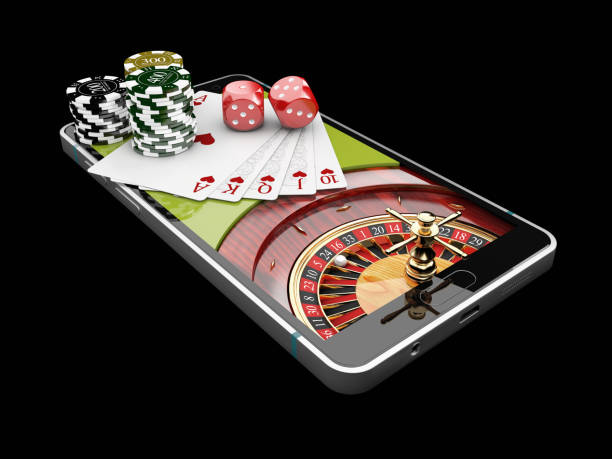
The accessibility of many gambling platforms also plays a significant role in this social equalization. Online gambling, in particular, has made it possible for individuals to engage in games without the need for physical presence, encouraging interactions in virtual communities. Through forums and social media platforms, players share experiences and strategies, forming connections that extend beyond the game itself.
The Impact of Cultural Norms on Gambling Practices
Cultural norms significantly influence how gambling is perceived and practiced within different communities. In some cultures, gambling is celebrated as a legitimate pastime, contributing to social events and gatherings. Conversely, other cultures may view it as taboo or morally questionable, affecting how individuals engage with gambling activities.
These cultural perspectives shape social interactions, with some communities organizing events around gambling to promote social cohesion. Festivals or competitions centered on traditional games not only preserve cultural heritage but also strengthen communal ties as participants come together to celebrate their shared values and traditions.
The Psychological Aspects of Gambling and Social Interaction
The psychological effects of gambling can also enhance social interactions. The excitement and adrenaline associated with gambling can create a bonding experience, as individuals share in both wins and losses. These shared emotional highs and lows lead to deeper connections, as players find comfort and support in one another during their gaming experiences.
Additionally, the social environment in gambling venues often promotes a sense of community. The interactions between staff and patrons, as well as among players themselves, help cultivate a lively atmosphere. This engagement encourages networking and the formation of friendships, as individuals are drawn together by their shared experiences and social dynamics within the gambling space.

Exploring More on Gambling and Social Interactions
For those interested in understanding the intricate relationship between gambling and social interactions, various resources are available. Exploring articles, studies, and discussions about gambling can provide deeper insights into how this activity shapes community dynamics across different cultures and backgrounds.
By delving into these resources, individuals can further appreciate the complexity of gambling as a social phenomenon, examining its impact on relationships, community bonding, and cultural practices. Engaging with this topic can foster a broader understanding of how gambling serves as both an entertainment medium and a social glue within diverse communities.